Skip to main content
About
The Western Galilee Now Association
Management and Staff
JNF-USA
Our Partners
Western Galilee Information Center
Stay updated
Galilee Information Center
Groups and organizations
Change language
עב
What to do
Events
Events
Events This Weekend
Upcoming Workshops
Art Events
Cultural Events
Culinary Events
Attractions
Attractions
Beaches
Lookout Points
Parks & Gardens
Picnic Spots
Attractions for Children
Extreme Recreation
Museums
Activities
Pre-Ordered Workshops
Recreation in the Western Galilee
Spas & Treatments
Nightlife
Theaters & Cultural Centers
Tours & Trips
Tours & Trips
Upcoming Tours
Tour Guides
Picnic Spots
Kid Friendly Tours
Culinary and Foraging Tours
Day Trip Suggestions
Eat & Drink
Lodging
Lodging & Experience
B&B & Zimmers
Hotels
Boutique Accommodation
Hostels & Guesthouses
Recommended
Cafes & Restaurants
Arts & Craft Makers
Cooking Workshops & Culinary Hosts
Galilean Products
Wineries & Alcohol
Tour Guides
Wellness
Performing Arts
Tasting History
The Overnight Experience
Adventure Activities
Agricultural Tourism
Design & Lifestyle
Event Calendar
About
The Western Galilee Now Association
Management and Staff
JNF-USA
Our Partners
Western Galilee Information Center
Stay Updated
What’s Happening This Week
What's Happening For Families
Terms of Use
Privacy protection
What to do
Events
Events This Weekend
Upcoming Workshops
Art Events
Cultural Events
Culinary Events
Tours & Trips
Upcoming Tours
Tour Guides
Picnic Spots
Kid Friendly Tours
Culinary and Foraging Tours
Day Trip Suggestions
Recreation in the Western Galilee
Spas & Treatments
Nightlife
Theaters & Cultural Centers
Activities
Pre-Ordered Workshops
Attractions
Beaches
Lookout Points
Parks & Gardens
Picnic Spots
Attractions for Children
Extreme Recreation
Museums
18-20.12.25
Across the Western Galilee
Eat & Drink
Lodging
Lodging & Experience
B&B & Zimmers
Hotels
Boutique Accommodation
Hostels & Guesthouses
Recommended
Cafes & Restaurants
Arts & Craft Makers
Cooking Workshops & Culinary Hosts
Galilean Products
Wineries & Alcohol
Tour Guides
Wellness
Performing Arts
Tasting History
The Overnight Experience
Adventure Activities
Agricultural Tourism
Design & Lifestyle
Event Calendar
Change language
עב
Home
Attractions
Magical Nature Spots & Authentic Meetings
Magical Nature Spots & Authentic Meetings
כפר ראש הניקרה
What's nearby?
Events
Attractions
lodging
Tours
Eat & Drink
All
Filters
Gallery view
Map view
12 results
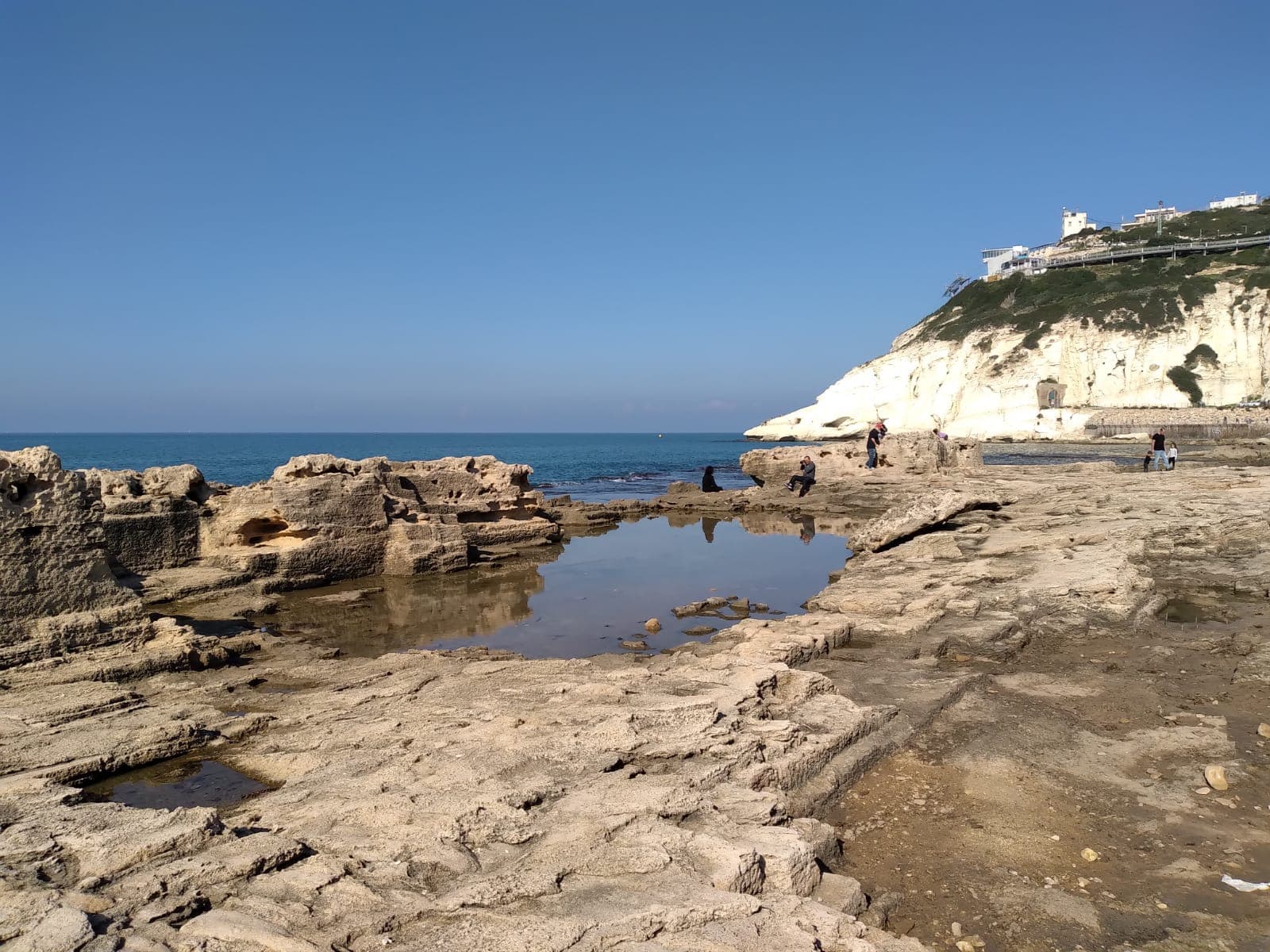
Rosh Hanikra
Betzet Beach
Rosh Hanikra Visitor Center
Liman Grove
Rosh Hanikra Beach
“Seeing Yourself” – From the Mirror to the Camera: A New Way to Look at Yourself
11/05 Thursday 11:00
Inbar & Shay Studio
Liman
Tosha Bakery
Achziv
Navigate