

 עברית
עברית


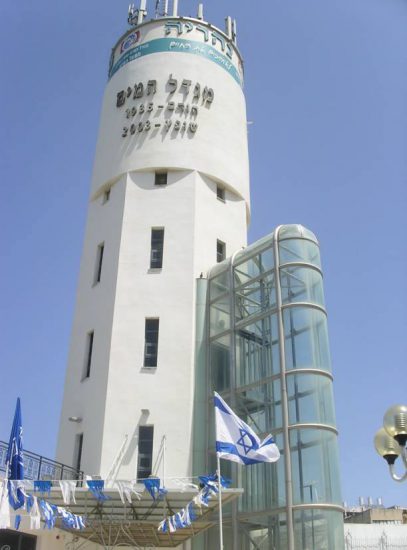
On a small hilltop, 10 meters above sea level, stands the 27-meter-high water tower that overlooks Nahariya and has become the symbol of the city. In 2003, the Nahariya municipality in collaboration with Mifal HaPayis, Society for Preservation of Israel Heritage Sites and Inner Wheel, reopened the water tower and today it serves as a municipal art gallery with changing exhibitions.
When visiting the city of Nahariya, you can continue to enjoy the botanical and zoological garden located in the northern part of the city.

Small and intimate 16 dunams garden and zoo with a large grassy area in its center for picnics and to watch the garden birds roam freely. The garden opened in 2003 and has a large variety of animals and plants from all over the world.
After visiting the Botanical Garden you can continue on Route 89 towards Kibbutz Cabri where you can enjoy lunch at the Adelina restaurant.
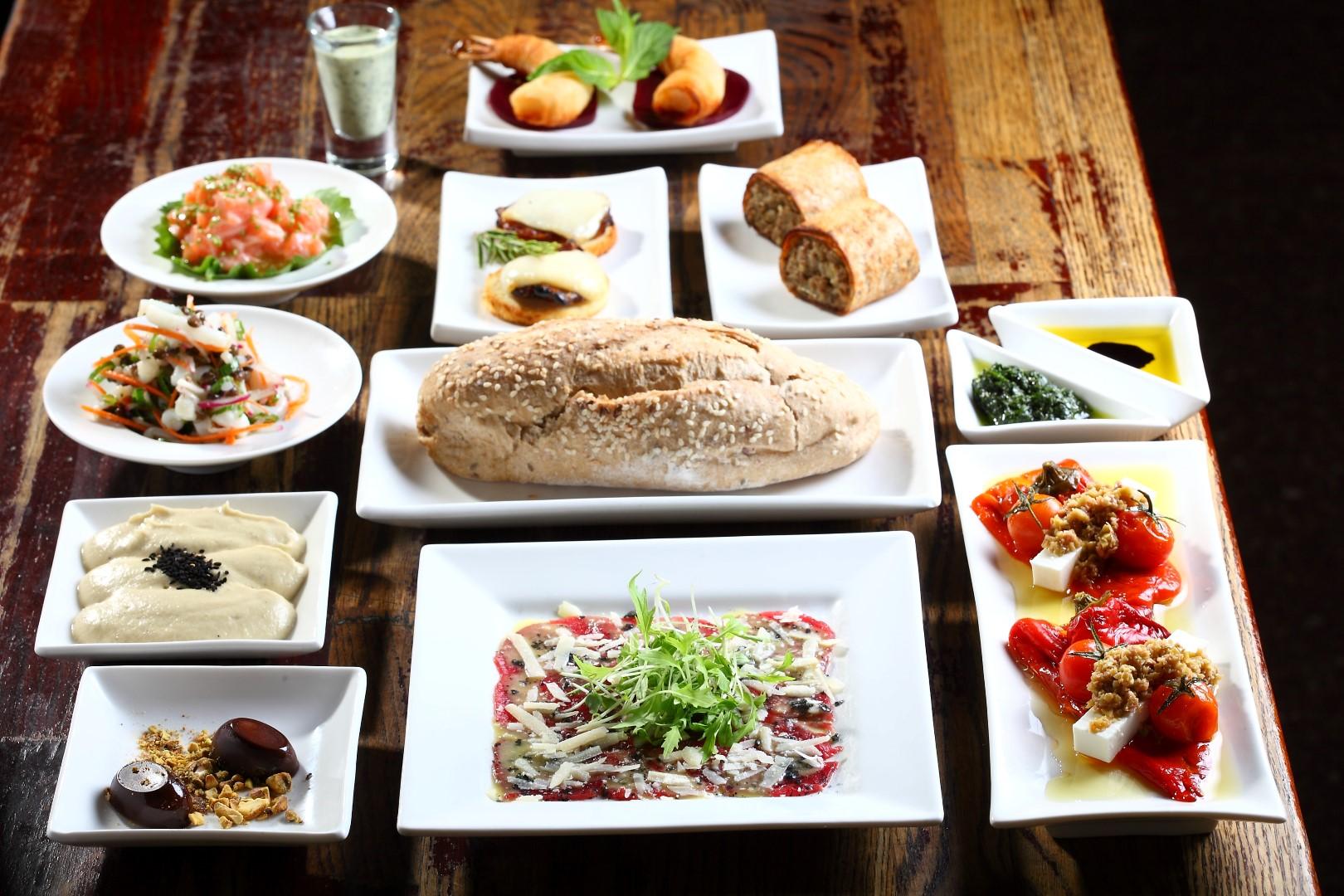
In the building that was the first “cultural house” of Kibbutz Cabri, there is the Adelina restaurant, with a warm and cozy rustic-European design and a large patio-terrace facing a sea of banana plantations that seem to float in space. Chef Roshdi Dakwar and his skilled team serve a successful menu that combines the flavors and ingredients of the Galilee with Spanish-Catalan cuisine.
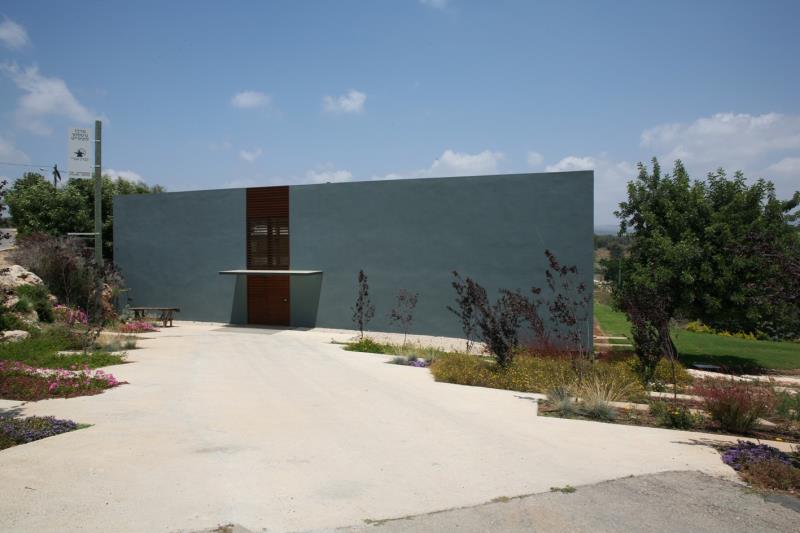
The engraving workshop at Kibbutz Cabri was established in 1993. The workshop works to create artistic engraving works. Its uniqueness lies in its location in a rural landscape in the Western Galilee, in a place overlooking the mountain and the sea.
At Kibbutz Cabri, there is a connection between business and art, from the perspective that art is a fruitful factor and contributes to the community and its individuals and the business basket alike. A beautiful sculpture garden is open to the public next to the workshop where the sculptor Yechiel Shemi worked and created; the kibbutz operates a gallery for contemporary Israeli art; and the establishment of a museum is also planned.
The engraving workshop is intended to be a place of creation for painters and printmakers from Israel and abroad and a center of attraction for a tourist audience that loves art, and indeed many artists visit it every year.
Back towards Kabri Junction where you turn left. After about a mile, turn right into a paved road to an archeological forest.

KKL-JNF created a forestry-archaeological park in the complex, in collaboration with the Israel Antiquities Authority. In addition to a large selection of trees, the site houses an impressive collection of ancient facilities for processing agricultural produce. Processing olives into oil, processing grapes into wine and raisins, and turning wheat grains into flour, gave the ancient inhabitants of the country the opportunity to preserve agricultural products for a long time without them spoiling. Visitors to the site learn about an impressive variety of presses and the process of producing olive oil, from crushing the olives and pressing the olive paste to separating the oil from the sap.
The entrance to the park is located about 200 meters from the regional school.
At the end of the route and on your way back south you can enjoy delicious coffee at Yodfat Cafe.
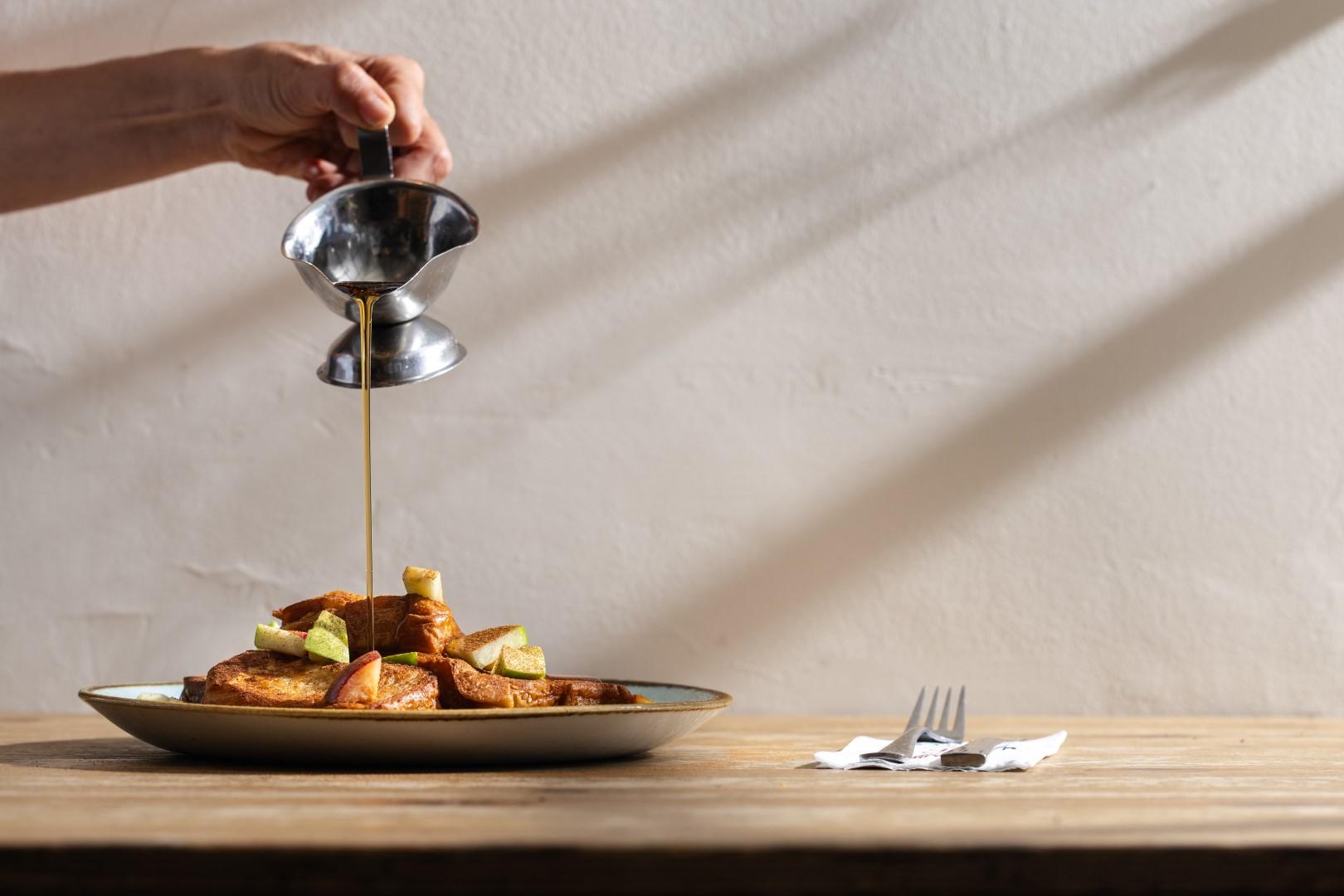
Yodfat Cafe is located in the beautiful Boacha Yodfat Hospitality Complex in the town of Yodfat. A cozy and well-designed cafe-restaurant established by Sharon Perez out of love for people, nature, food, and culture. The cafe’s terrace faces the amazing view of Tel Yodfat and you are invited to sit in this charming place, facing the breathtaking view and enjoy the varied menu that offers special breakfasts, business lunches that include fresh fish, and gourmet pizzas in the evening. There are also special dishes for those looking for a gluten-free vegan menu.

