


Al-Basha Turkish Bath
An Ottoman Bathhouse and Cultural Heritage Museum
חמאם אל באשה, Portsei ha-Mivtsar Street, Acre, Israel
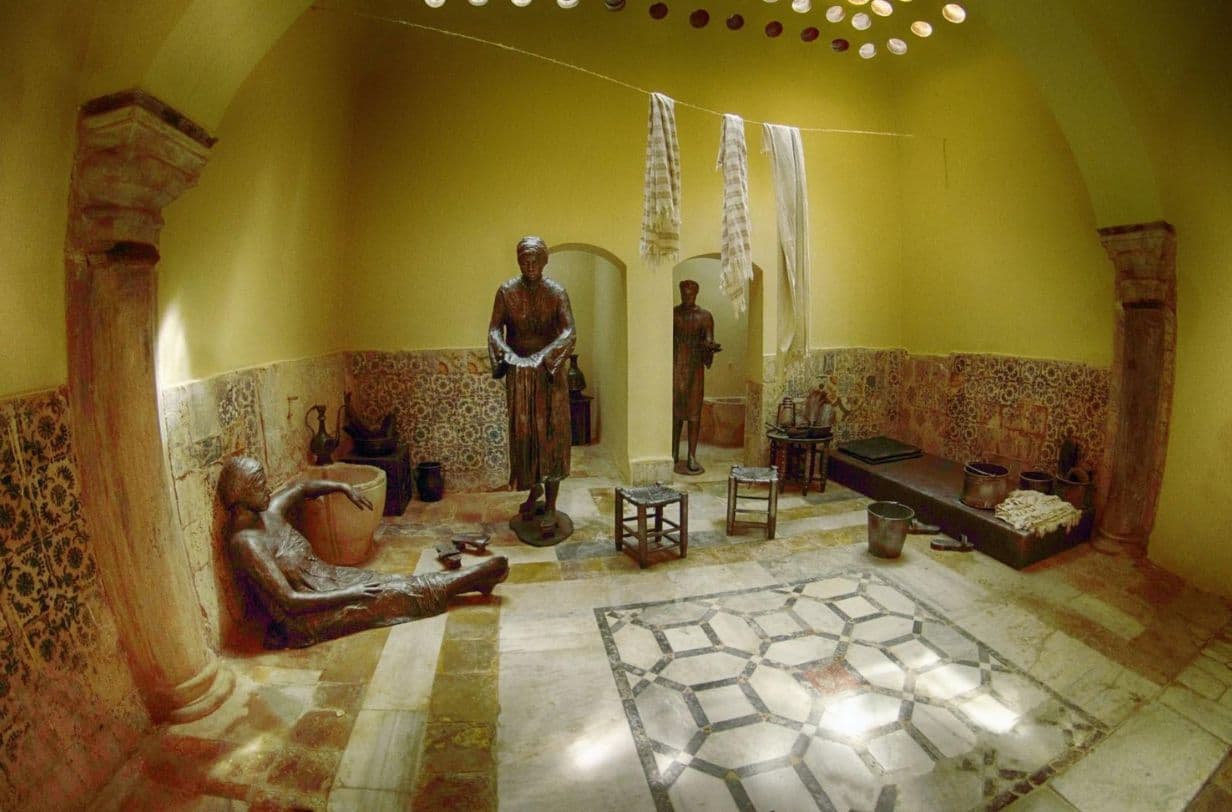
Built during the late 18th century under Ahmed Pasha al-Jazzar, the bathhouse was central to transforming Akko from a fishing village into a thriving port city. Alongside the aqueduct, Khan al-Umdan, and the Great Mosque, it stood as one of the period’s grandest civic achievements.
The layout of the bathhouse is divided into three main sections: the summer dressing room, a series of four transitional mezzanine rooms situated between the hot and cold chambers, and the central hot room, which served as the true heart and essence of the hammam experience.
Cultural & Social Significance
For over a century, from its establishment until the War of Independence in 1948, the hammam functioned as an active public bathhouse. Beyond fulfilling religious duties of ritual purity prior to prayer, the hammam played a central role in the daily life of the Ottoman city. It served as a vibrant hub for social gatherings, recreation, and community celebrations, housed local barbers and medical practitioners, and provided a luxurious resort for the city’s elite.